A practical game-night information guide

Open the Table Cabinet.

A warm shelf of small decisions for hosts: how to choose a game, read a rulebook together, shape a fair table, and leave room for the people in the room.

Informational notes for home tables, clubs, and casual circles.

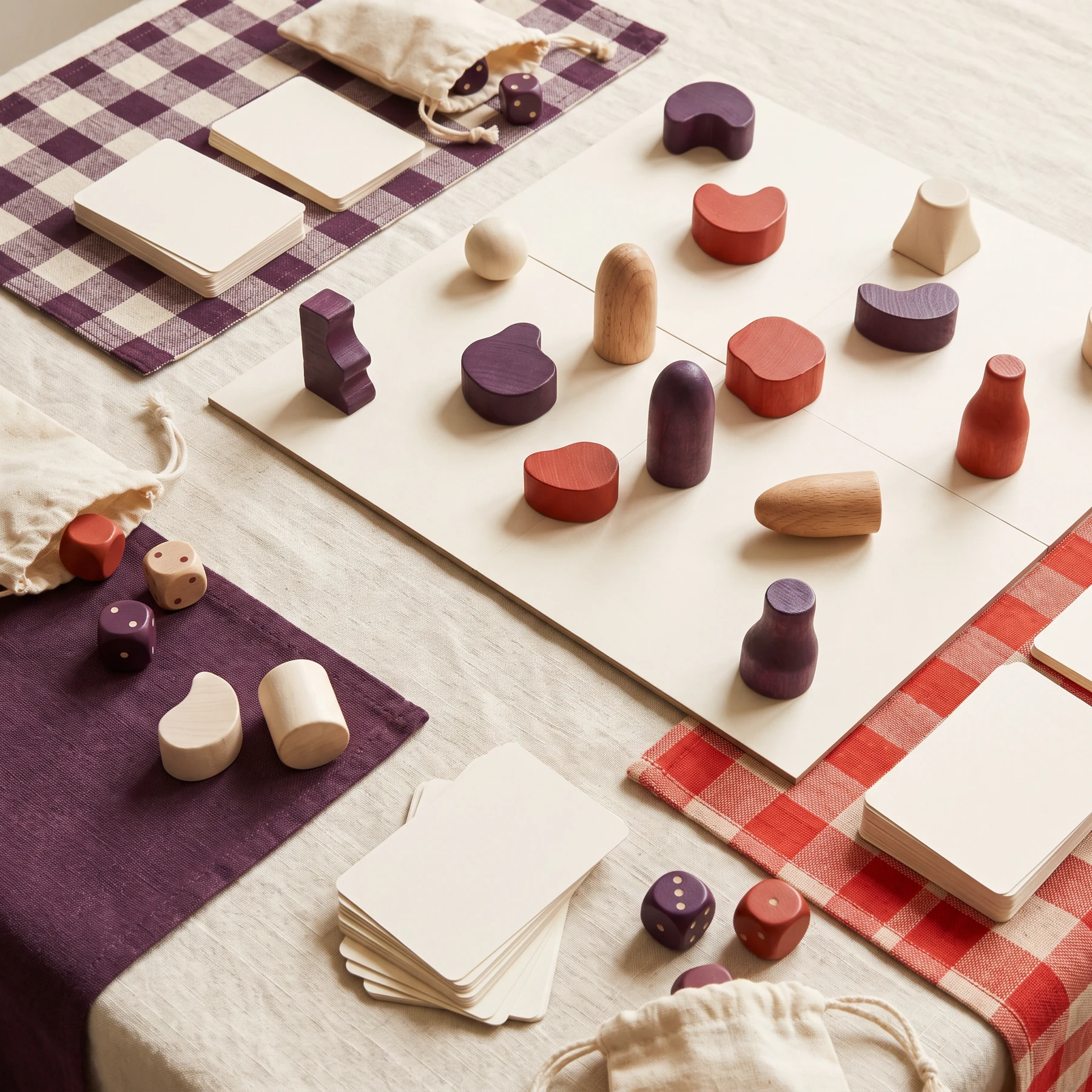
Colorful wooden playing pieces arranged on a cream game board
The welcoming shelfChoose clarity before complexity.
01 / StartMake the first turn obvious.
02 / HostProtect the pace, not perfection.
03 / RememberPeople leave with the feeling.

What belongs in a good game-night cabinet?

Not a towering pile of boxes. Think of this as a library of approachable formats: a cooperative puzzle, a friendly rivalry, a story prompt, a quick reset, and a sturdy way to explain any of them.

The five useful drawers

  • Arrival game: low explanation, easy late joins.
  • Centerpiece: one shared focus with a clear ending.
  • Conversation game: players make the table’s story.
  • Reset game: a short change of energy.
  • Closer: something that ends on a generous note.
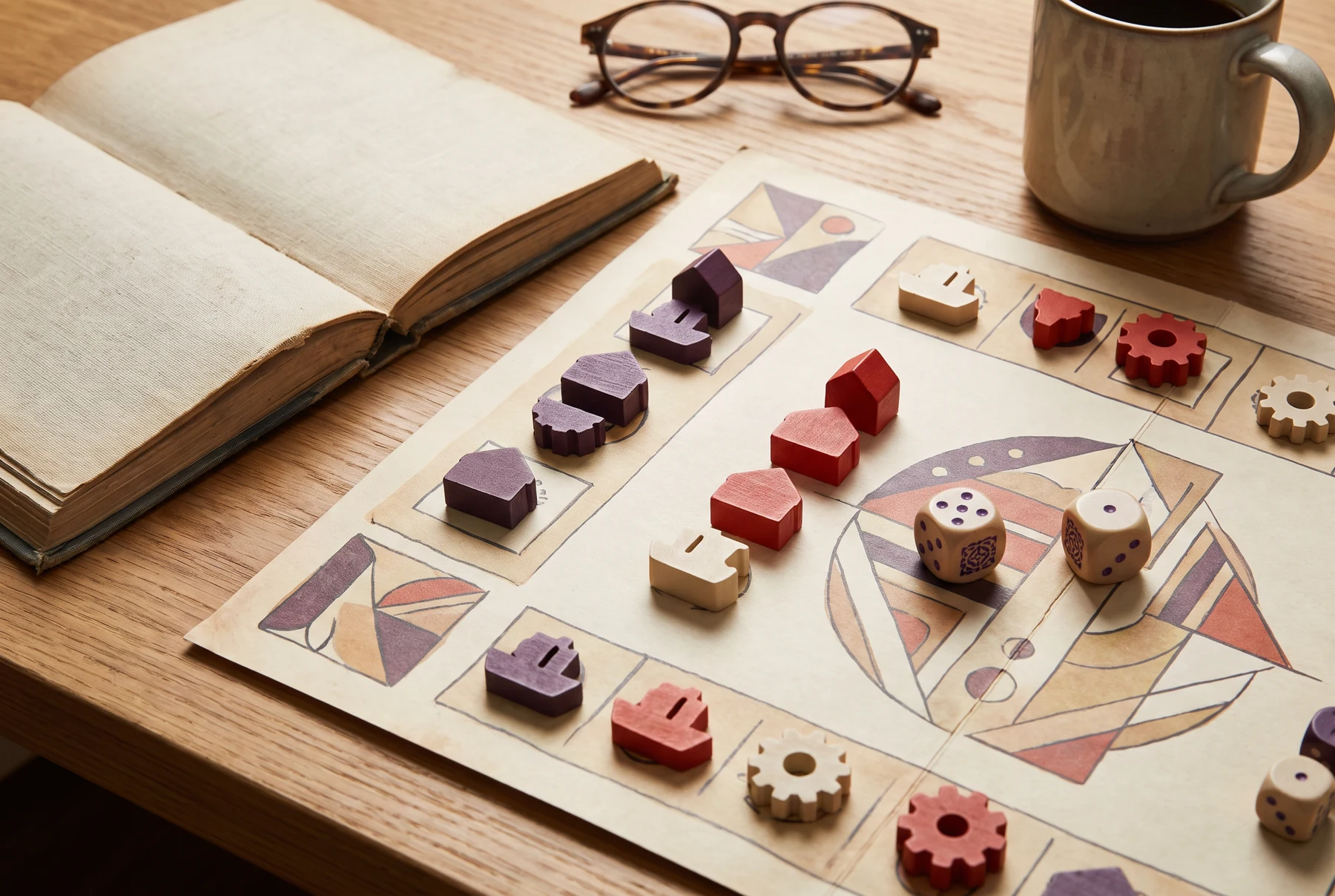
A tabletop game board with geometric artwork, dice, and wooden pieces
Rulebook, board, and a little breathing room

Choose the table’s mode, not a label.

Instead of sorting games only by genre, begin with the kind of evening your group wants. This little cabinet selector changes the hosting cue, not any external service or recommendation list.

Table-mode selector

Pick a mood to reveal a simple setup cue for a shared tabletop session.

Easy arrivalPut out one game with a visible turn structure, explain only the first round, and let latecomers watch before choosing a seat.

The explanation ladder

Rules feel friendlier when they arrive in layers. Build understanding from the action each person takes, then the reason it matters, then the exceptions that can wait.

RUN 01

Show the table

Name the shared goal and point to the pieces people will touch first. A physical tour reduces the abstract feeling of a new game.

RUN 02

Play one turn

Demonstrate a complete turn without pausing for every edge case. Invite a player to narrate what they see next.

RUN 03

Park the exceptions

Keep the rulebook open, but let uncommon questions wait until they happen. The table learns more easily in motion.

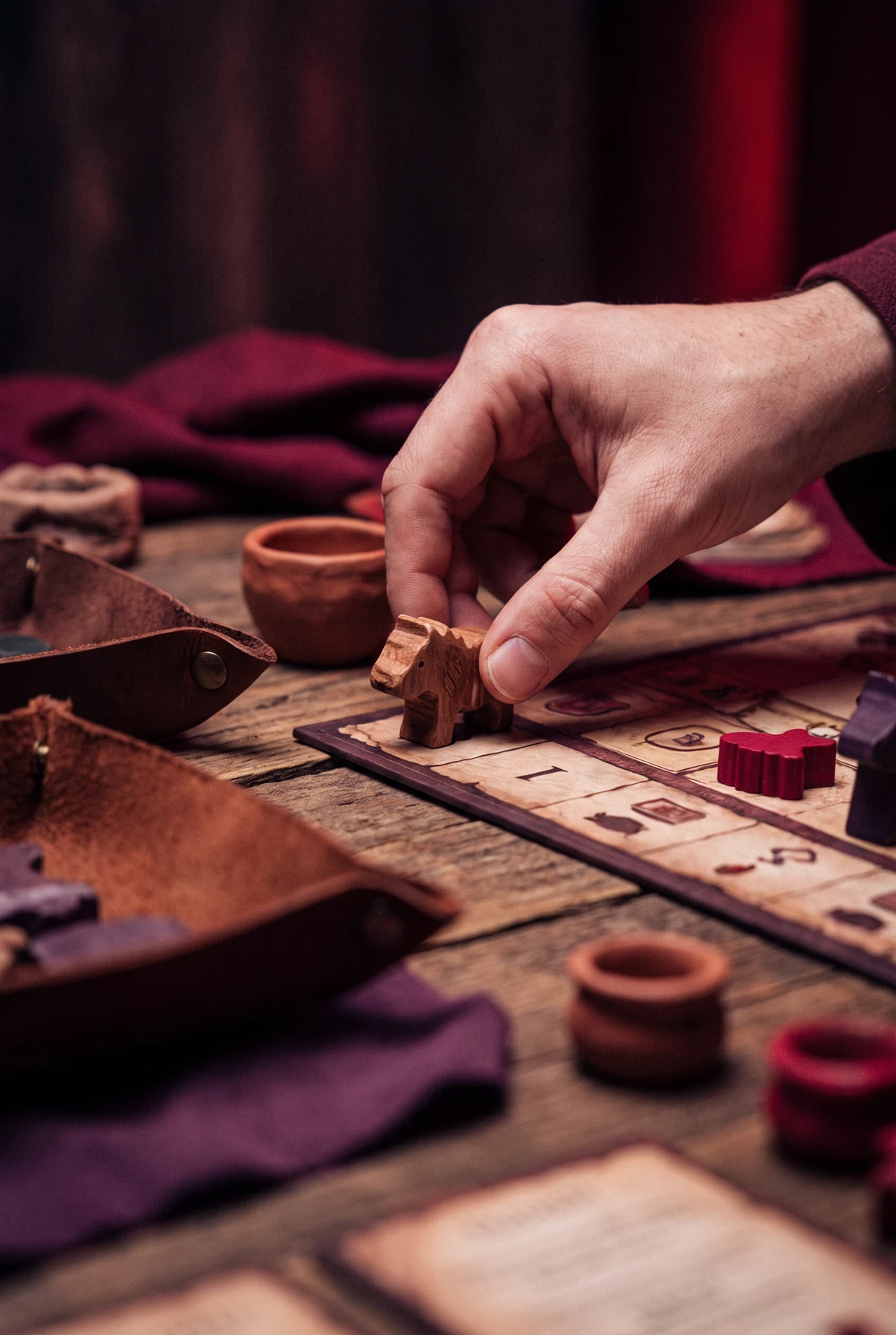
A hand placing a wooden animal piece onto a board game
A game piece placed on a board

Match the explanation to the moment.

Every group has a different threshold for detail. Let the table’s energy tell you what to say next.

  1. 01

    New faces

    Use visible choices, open information, and an example turn that does not punish a curious question.

  2. 02

    Returning friends

    Give a compact reminder, name what changed, and let a confident player model the rhythm.

  3. 03

    Mixed confidence

    Make collaboration legible; invite help, but leave each person ownership of their own next move.

Give every player a visible place at the table.

A comfortable table is designed, not declared. Small cues make it easier to join, ask, pause, and return after a distracted moment.

  • Seat map: ensure boards and shared information face their users.
  • Turn marker: make the active player obvious without shouting.
  • Pause phrase: agree that a clarification can happen at any time.
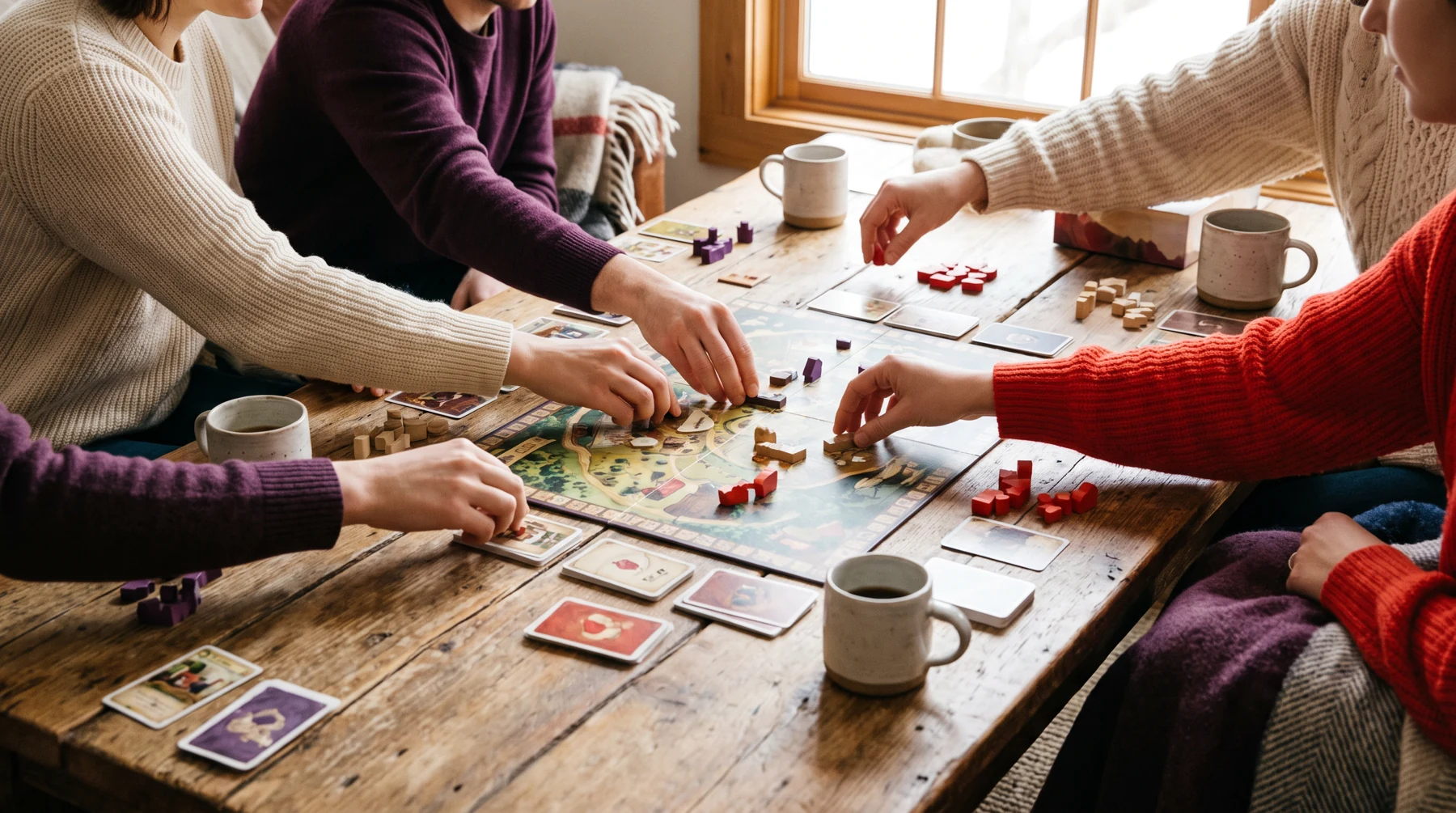
Friends gathered around a wooden table playing a board game

A table rhythm that welcomes the whole room.

The evening need not run like a schedule. These are four gentle checkpoints a host can use to notice the people and the play.

BEFORE

Clear the center

Place only the pieces needed to begin. The rest can stay within reach until the story asks for them.

DURING

Echo choices

Say the first few turn options aloud so players hear how decisions connect to the shared goal.

BETWEEN

Let the table breathe

A small pause between games allows people to stretch, talk, or simply decide their next level of attention.

AFTER

Close the loop

Name a favorite surprise from the session; it gives the group a shared ending beyond the score.

The before-doorbell check

Use this browser-local checklist as a calm preflight. It lives only in this browser and simply helps a host see what has been considered. No details are sent anywhere.

Cards, colorful tokens, and game pieces arranged on a pale cloth
Lay out, then simplify
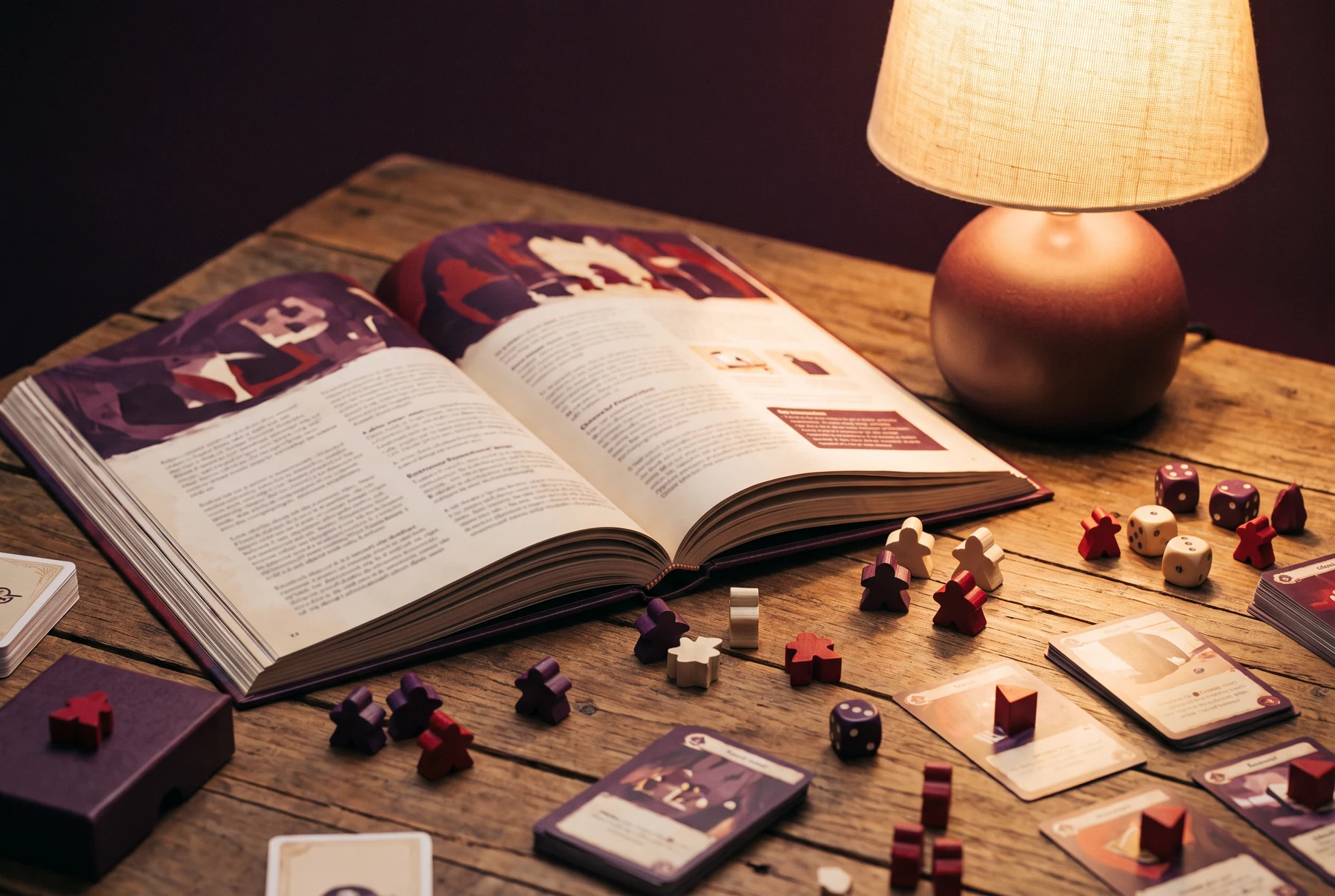
An open illustrated rulebook and game pieces gathered on a wooden table

Field note: the rulebook is a prop, not the host.

A rulebook can settle a question, but it should not become the loudest voice in the room. Keep it accessible, turn to the relevant passage, and translate the answer into the current moment of play.

Cabinet margin: When a rule is unclear, agree on a reasonable reading for tonight, mark the page, and keep the game moving. Consistency within the session often matters more than a perfect recall.

Small pieces, useful signals.

Markers, decks, dice, and pawns are not merely components. Arrange them to make the game’s state readable at a glance.

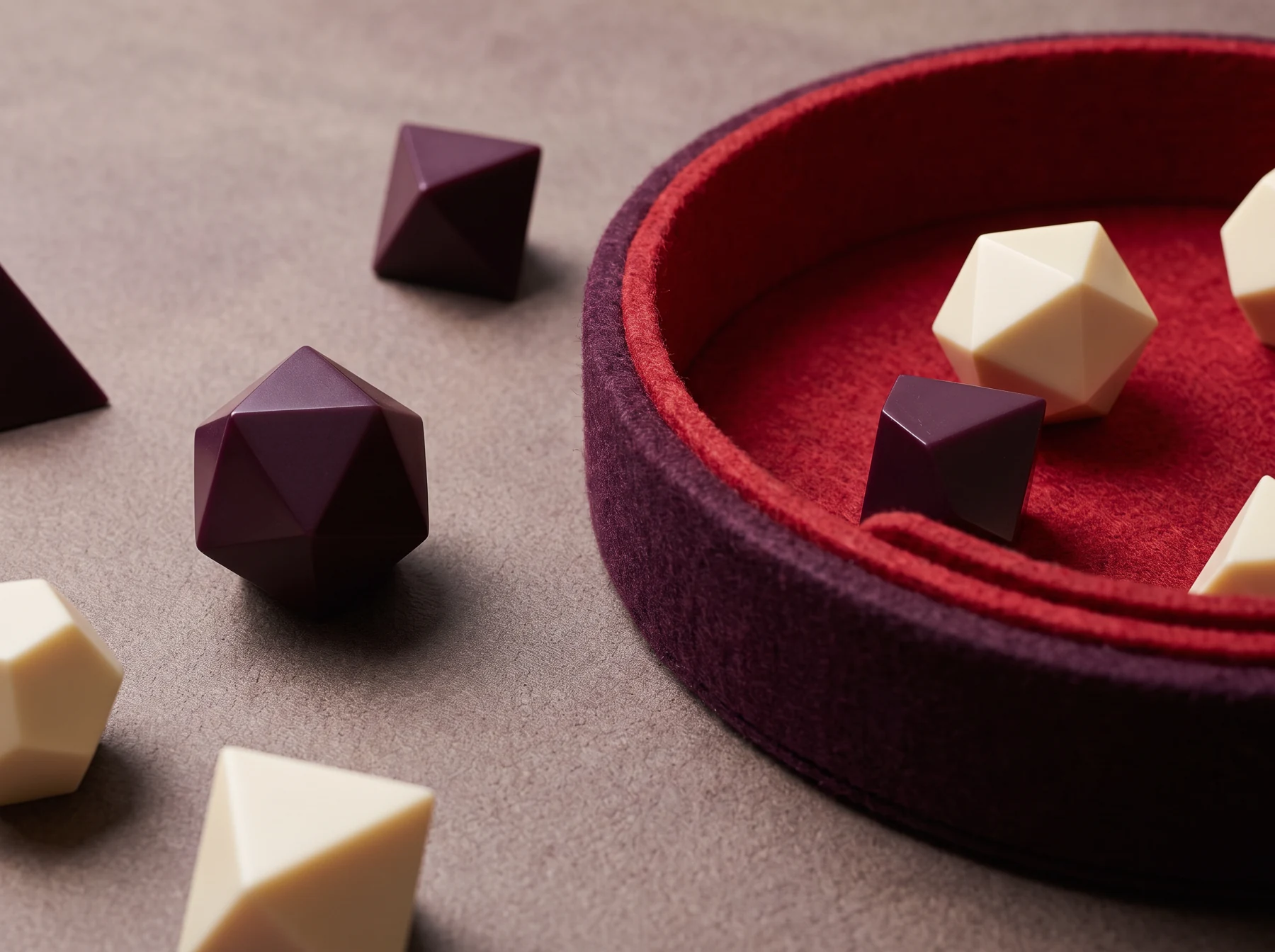
Polyhedral game dice beside a red velvet dice tray

Contain the random bits

A tray, bowl, or shared spot makes dice and tokens easier to find—and gives a satisfying boundary to a lively roll.

See the planning check
A stack of purple, cream, and red game components

Stack the information

Keep often-used references visible, while optional materials wait in a side stack. A less crowded table is easier to read.

Read common questions

Make room for shared discovery.

A game becomes more generous when players can point, wonder, reconsider, and teach one another. When components are seen as common language, a new player gets to participate before they feel fluent.

Try this: Before a first game, ask each person to name one thing they notice in the setup. It invites attention without requiring previous knowledge.
Hands selecting colorful tokens and dice from the middle of a tabletop

Frequently opened drawers

Four host-side questions, answered with the aim of keeping a tabletop session clear and considerate.

Explain only enough to let every player take a meaningful first turn: the shared aim, what a turn looks like, and the few choices that matter right now. Keep the rulebook nearby for later. Most groups understand a game more comfortably after seeing the loop in motion than after hearing every exception in advance.

Choose a format with visible information and invite experienced players to model their thinking instead of directing another person’s move. State options neutrally, leave time for decisions, and make it normal to ask for a recap. Mixed experience can become an advantage when curiosity is treated as part of the table’s shared rhythm.

Pause briefly, locate the relevant rule if that is easy, and agree on a plain interpretation for the current session. Say the decision aloud so everyone plays by the same understanding. If the answer takes too long to find, make a note and return to it afterward; protecting the group’s attention is often the kindest ruling.

Give the last game a clear ending, then make a small space for reflection before putting pieces away. A favorite moment, an unexpected choice, or a funny reversal helps the group remember the session as a shared event. Closing gently also gives people permission to leave without feeling that they missed an unfinished social moment.